



Written by Lucy Camero Team Venti Brand Manager
August 12, 2026











Microsoft Intune and Microsoft Purview Information Protection (IP) often show up in security conversations as tools with the same purpose. However, they solve different problems. Intune helps manage and secure devices and apps, while Purview Information Protection helps classify, label, and protect sensitive data across your environment.
As organizations adopt hybrid work and cloud services, the question is no longer just how to secure endpoints, but also how to protect the information that lives on them. That is where Microsoft Intune and Microsoft Purview Information Protection come in. They are complementary technologies, not substitutes, and understanding the difference can help IT and security teams build a stronger strategy.
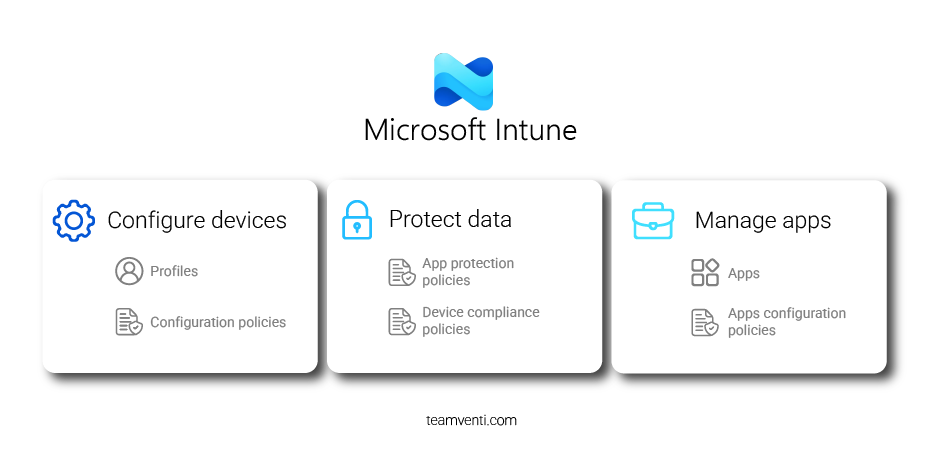
Microsoft Intune is a cloud-based endpoint management solution. It is used to manage devices and apps across Windows, macOS, iOS, and Android, helping organizations enforce compliance, configure settings, deploy apps, and protect corporate access on managed endpoints.
Intune answers questions like:
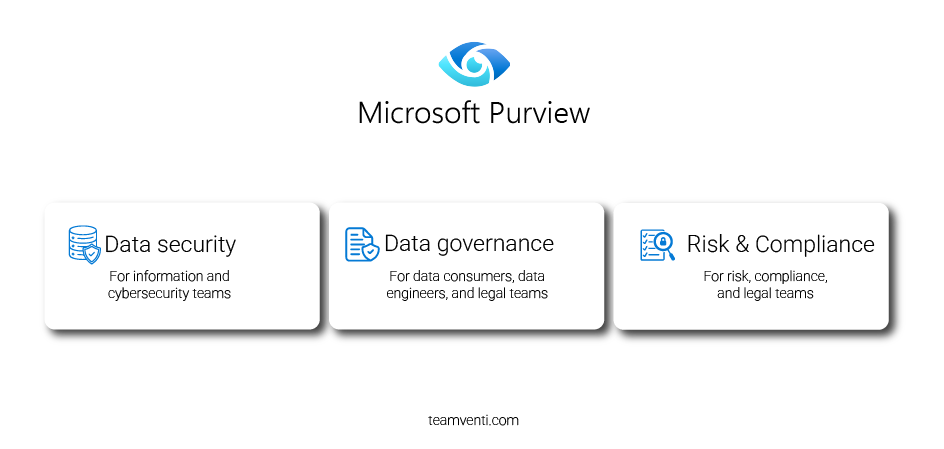
Microsoft Purview Information Protection focuses on the data itself. It helps organizations classify sensitive information, apply labels, and protect files and emails whether they are stored in Microsoft 365, on endpoints, or across hybrid and third-party environments.
Purview Information Protection answers questions like:
Simplify, secure, and integrate your organization’s data, devices, and mobile applications
| Microsoft Intune | Purview Information Protection | |
| Primary focus | Device and app management | Data classification and protection |
| Main purpose | Enforce compliance and secure endpoints | Label, classify, and protect sensitive information |
| Typical users | IT admins and endpoint teams | Security, compliance, and data governance teams |
| Key outcome | Controlled device access | Controlled data exposure |
| Best for | Managing corporate devices and apps | Protecting files, emails, and sensitive content |
Many organizations may benefit more by using both. Intune can ensure that a device meets security requirements before access is granted, while Purview can protect information being accessed or shared. This layered approach aligns with the Zero Trust model, where access decisions are based on identity, device status, and data sensitivity.
Take a sales agent working from a managed laptop as an example. Intune will verify that the device is compliant, while Purview will ensure a confidential proposal is labeled correctly and protected if it is forwarded outside the organization. This combination gives security teams more control without making life harder for end users.
If your biggest challenge is managing employee devices, enforcing compliance, or controlling access to apps and services, Intune is the priority.
If your biggest concern is protecting sensitive documents, applying labels, and preventing data leaks, Purview Information Protection is the stronger fit.
Most modern Microsoft security architectures need both, especially in organizations that handle sensitive customer, financial, or regulated data. The choice is less about one replacing the other and more about deciding which layer to implement first.
Microsoft Intune and Microsoft Purview Information Protection are different tools with different roles, but together they contribute to a much stronger security posture. Intune secures the endpoint, and Purview secures the information that moves through it. In fewer words, device protection vs. Data protection.
Team Venti can help you design a practical security strategy that protects devices, secures data, and aligns with your business goals. Talk to an expert today.
Get news, updates, and insights about Microsoft solutions, technologies, and best practices.